


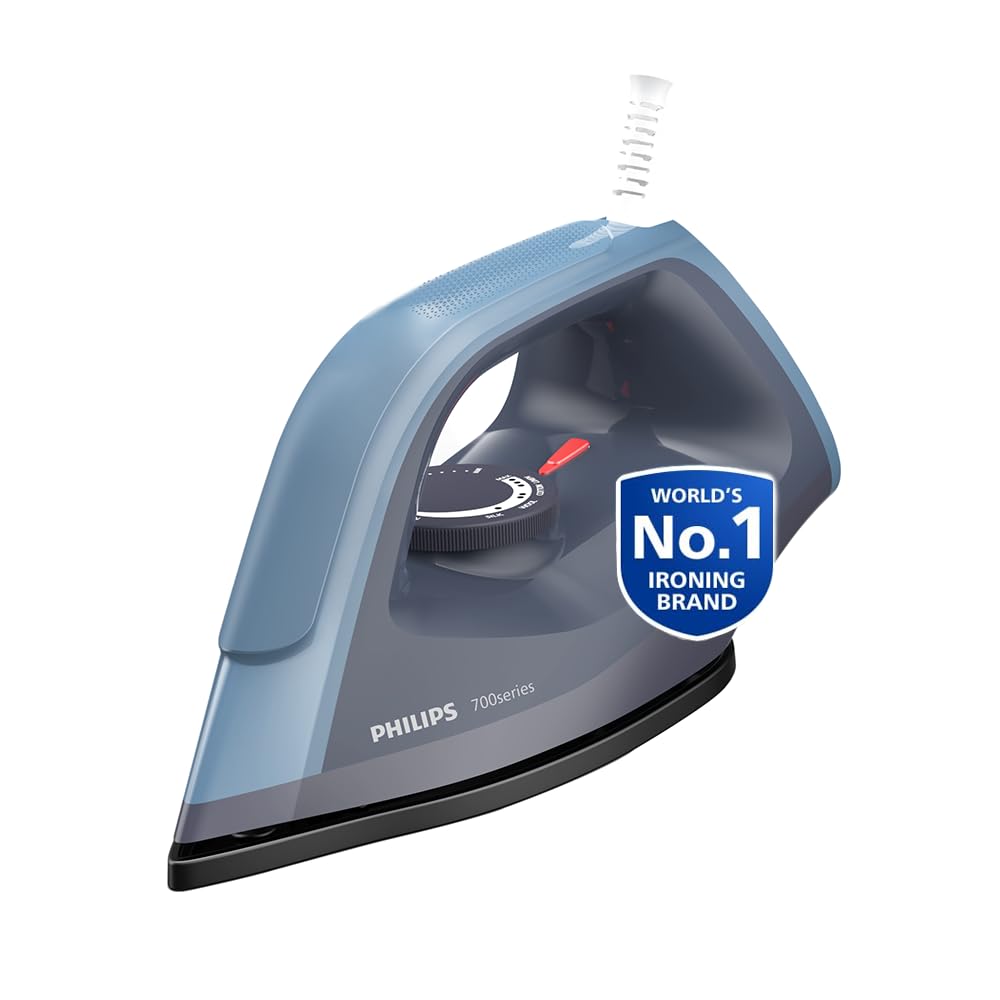







Philips DST0700/00 Heavy Weight Dry Iron, 1350W, Advanced Alloy Non-Stick Soleplate, Teal Blue
Rs. 2,295.00Rs. 1,899.00
BULLET POINTS
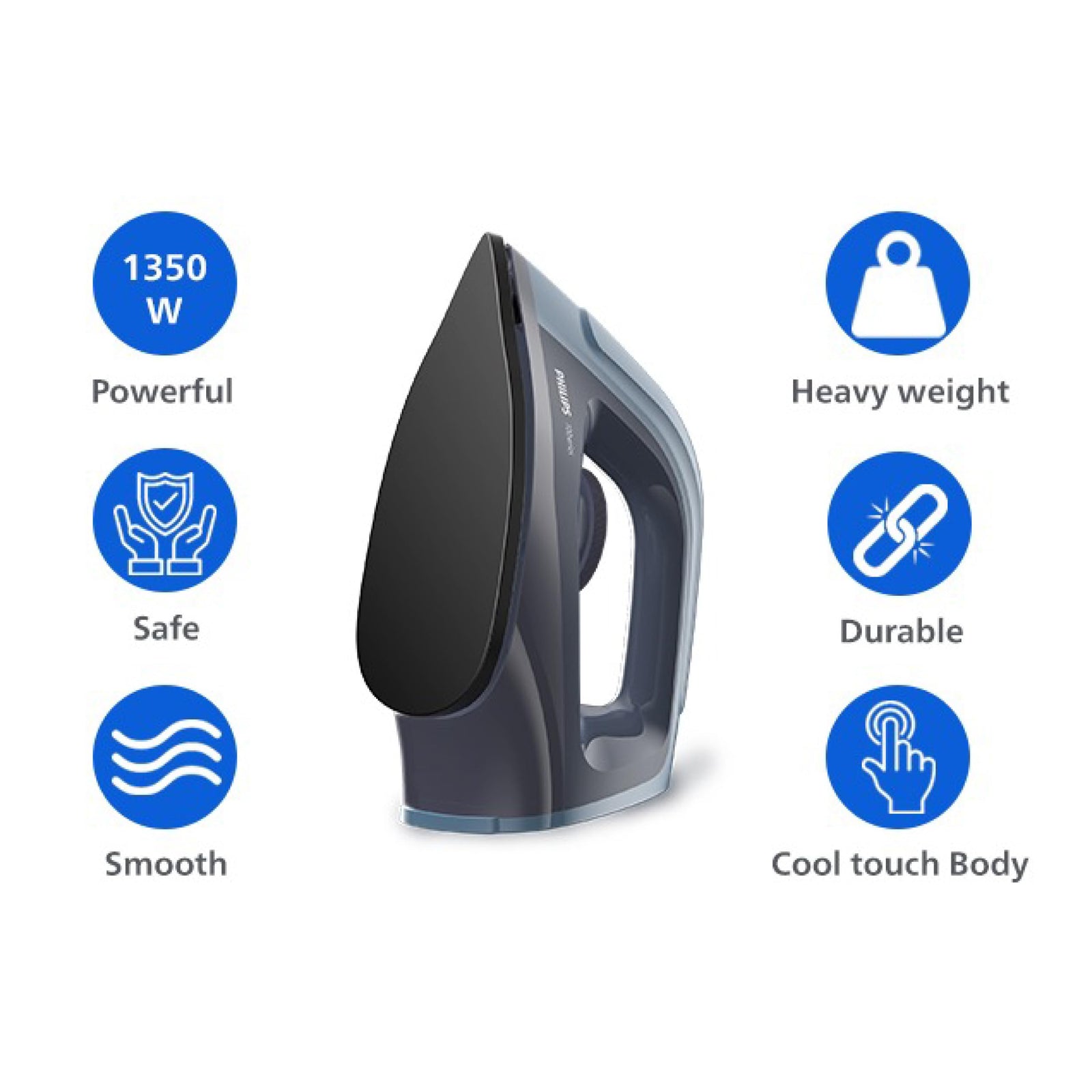
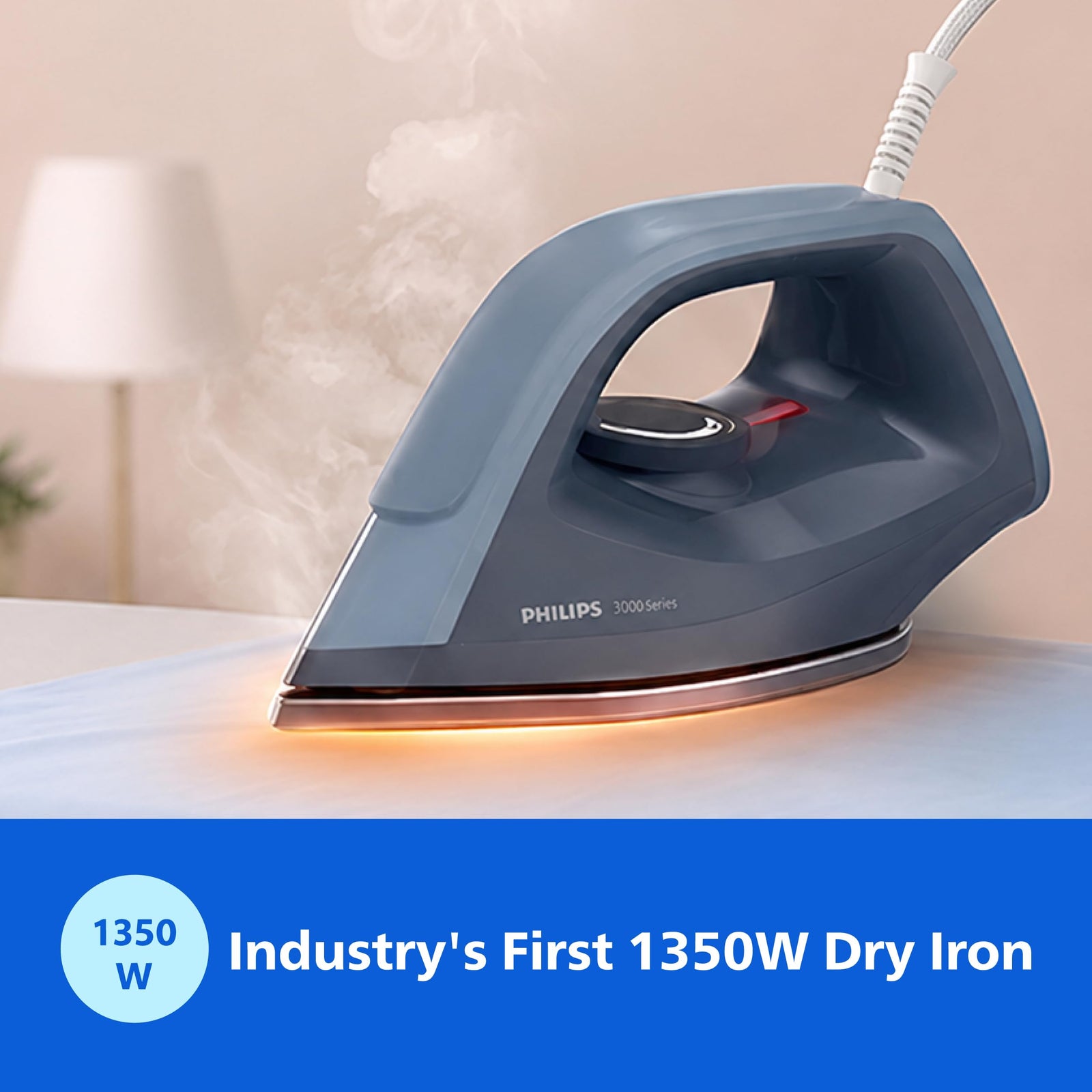
- 🔥 1350 W Hi-Power Heating – The highest wattage in Philips India's 750–1350 W dry iron range. Heats up quickly and holds steady pressing heat through a full pile of cotton.
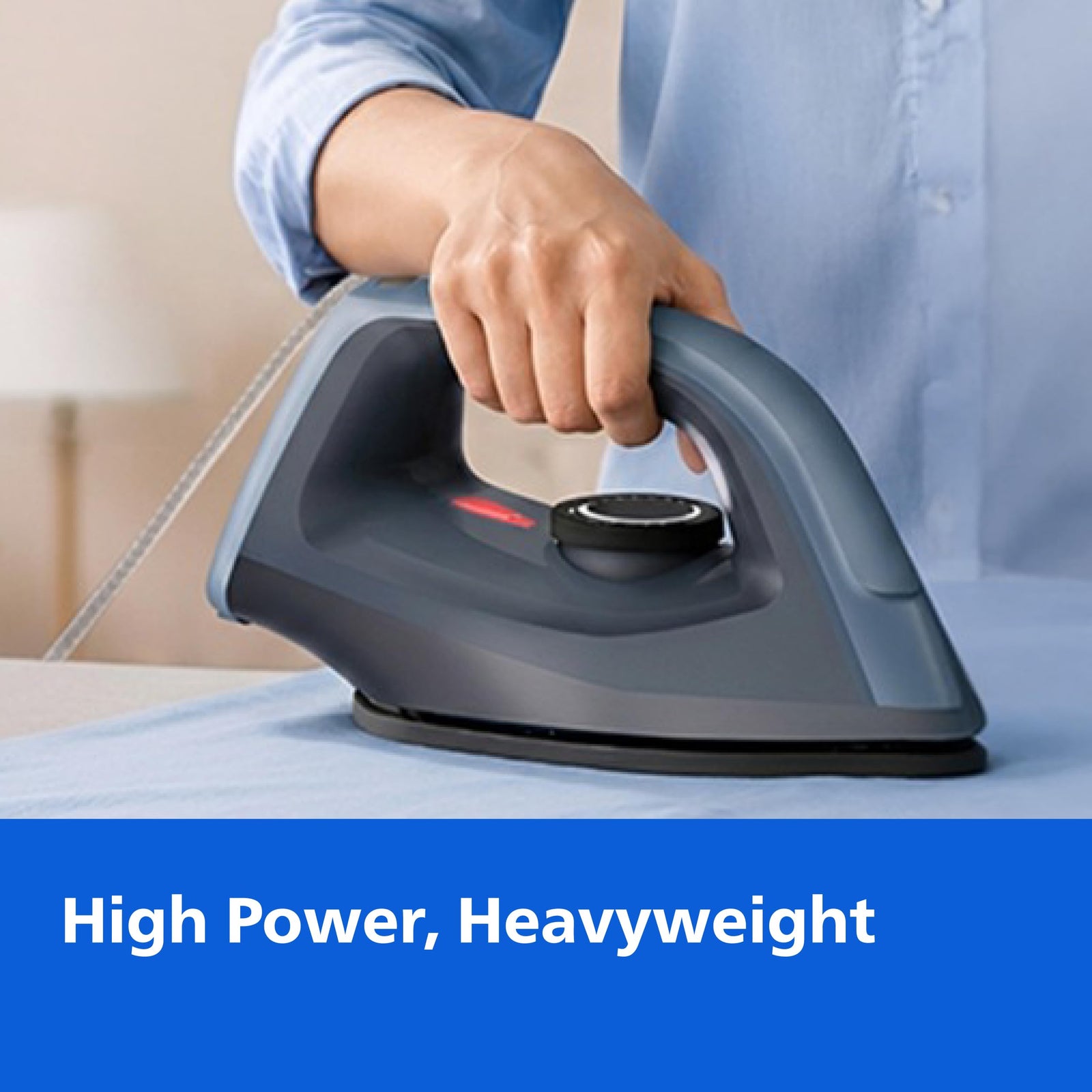
- 🏋️ Approx. 1.65 kg Heavy Weight – The iron's own weight presses creases out of thick cotton, linen and denim, so you push less and your wrist does less work.
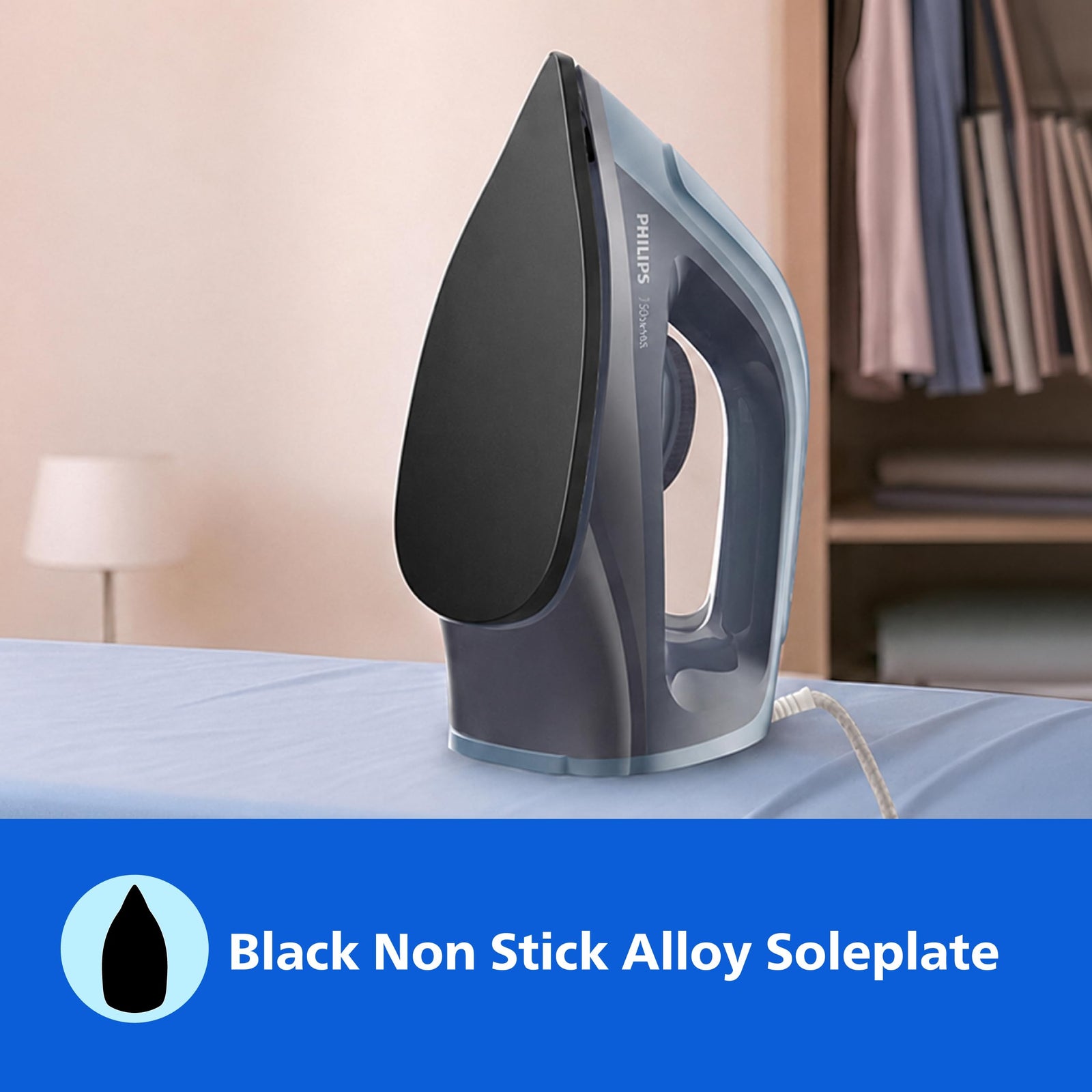
- ✨ Advanced Alloy Non-Stick Soleplate – Black non-stick coated soleplate glides smoothly and substantially reduces sticking and residue on fabric.
- 📐 Wide Soleplate – Covers more fabric per stroke, cutting time on bedsheets, cotton sarees, dupattas and kurtas.
- 🔄 1.8 m Cord with 360° Swivel – Reaches the socket comfortably and turns freely as you change direction, without twisting around your arm.
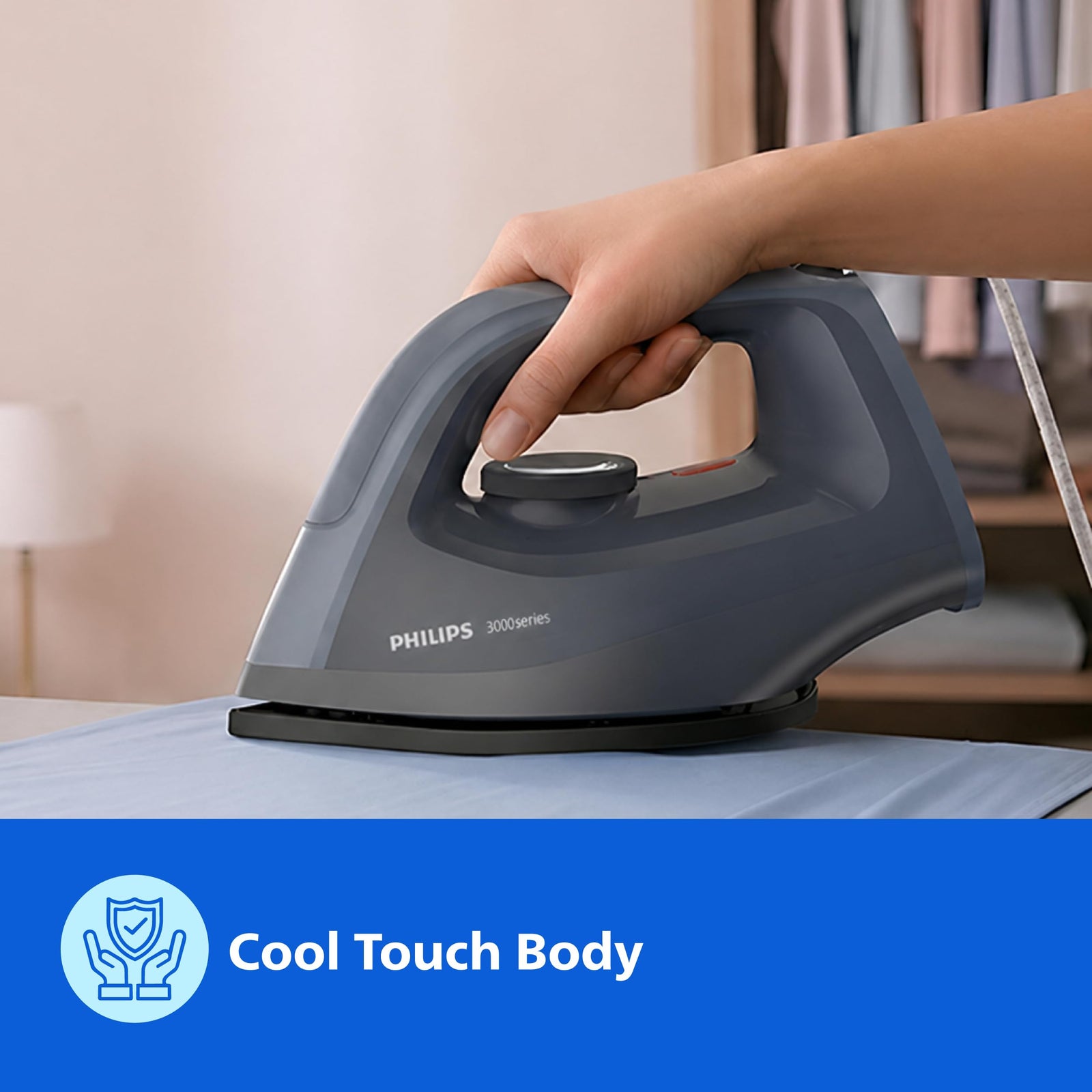
- ✋ Cool-Touch Body & Ergonomic Handle – Heat-resistant housing and a comfortable grip for safer, steadier ironing.
- 🌡️ Adjustable Temperature Control – Dial the heat down for silk and synthetics, up for cotton and linen.
- 💧 True Dry Iron, Zero Water Hassle – No tank to fill, nothing to descale, no drips on the ironing board.
- 🔌 Indian Mains Only – Rated 240 V by Philips for Indian household supply; not for 110/120 V USA or Canada.
- 📦 What's in the Box – 1 × Philips DST0700/00 Heavy Weight Dry Iron.
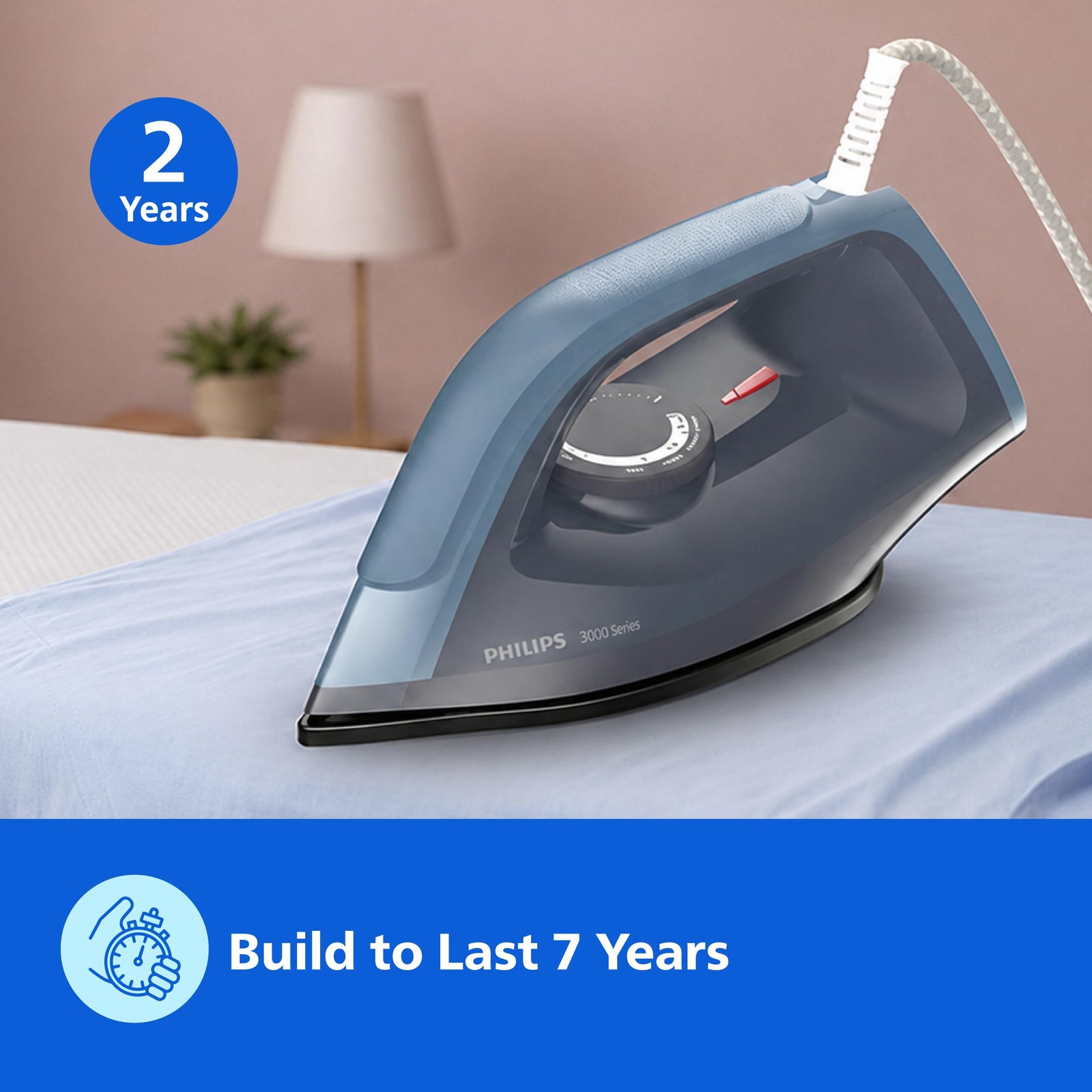
- 2-year Philips manufacturer warranty. Country of origin: India


PRODUCT DESCRIPTION
Monday morning, the school uniforms are crumpled, your own cotton shirt has a crease running right across the front, and the light iron in the cupboard needs three passes for every fold. A heavy iron changes that. The Philips DST0700/00 lets its own weight do the pressing, so a thick cotton kurta or a starched uniform comes out crisp in fewer strokes.
At a Glance
- Type: Heavy weight dry iron (no steam, no water tank)
- Power: 1350 W
- Weight: Approx. 1.65 kg
- Soleplate: Advanced Alloy non-stick, black
- Cord: 1.8 m, 360° swivel
- Voltage: 240 V rating (Indian mains)
- Warranty: 2 years, Philips
- Country of origin: India
How powerful is the Philips DST0700/00?
It is a 1350 W dry iron — the top of Philips India's 750–1350 W dry iron range. Higher wattage means the soleplate reaches pressing temperature quickly and recovers heat between strokes, which matters when you are working through a pile of thick cotton rather than one shirt.
That steady heat is what you want on a Sunday batch: bedsheets, the week's office shirts, a couple of cotton sarees. You set the dial once for the fabric and keep moving.
Why does a heavy iron press better?
At approx. 1.65 kg, the iron's weight applies pressure for you, flattening stubborn creases in fewer strokes. With a lightweight iron you push down to get the same result; with the DST0700/00 you mostly guide it.
It shines on fabrics that fight back — denim, linen, thick cotton, school and work uniforms, table linen. If most of your ironing is thin synthetics and quick touch-ups, a lighter iron may suit you better (see the comparison below).
What is the soleplate like?
It is Philips' Advanced Alloy non-stick black soleplate, and it is wide. The non-stick coating glides smoothly and substantially reduces sticking and shiny marks, provided the temperature is set right for the fabric. The wider plate covers more cloth per pass, which you feel most on bedsheets and saree pleats.
Treat the coating kindly: wipe it with a soft damp cloth once it has cooled, and keep away from steel scrubbers and abrasive powders.
Is it comfortable and safe to use?
Yes — the cool-touch body and ergonomic handle keep your hand away from the heat, and the 1.8 m swivel cord moves with you. The 360° swivel stops the cord from twisting as you change direction, and 1.8 m gives you comfortable reach from a wall socket to the ironing board.
The soleplate itself gets very hot, as on any iron. Rest the iron safely between strokes, unplug it after use, and keep it out of children's reach while it cools.
Heavy weight dry iron vs lightweight dry iron vs steam iron
| Iron type | Best for | Trade-off |
|---|---|---|
| Heavy weight dry iron (DST0700/00) | Thick cotton, linen, denim, uniforms, bedsheets | Weight does the work; no water to fill or descale |
| Lightweight dry iron | Light daily wear, quick touch-ups | Less pressure per stroke |
| Steam iron | Mixed wardrobes, synthetics, vertical steaming | Needs water filling and scale care |
Frequently Asked Questions
Is the Philips DST0700/00 a steam iron or a dry iron?
It is a dry iron — there is no water tank and no steam. It removes creases using heat and pressure. Many households lightly dampen very dry cotton before pressing; sprinkle water on the fabric, never into the iron.
How heavy is the Philips DST0700/00?
Approximately 1.65 kg. That weight is the point of the design: it presses creases out of thick fabrics with less effort from your wrist.
What is the wattage of this iron?
1350 W. It is the highest-powered model in Philips India's dry iron range, which runs from 750 W to 1350 W.
Will clothes stick to the soleplate?
The Advanced Alloy non-stick soleplate substantially reduces sticking when the dial is set correctly for the fabric. For silk and synthetics, start at a low setting and test on a hidden seam; use a pressing cloth on delicate silks.
Can I iron silk sarees with it?
Yes, at a low temperature setting. Turn the dial down, test first, and use a thin cotton pressing cloth. Its real strength is cotton sarees, linen and heavier fabrics.
What is the warranty?
2 years, from Philips. Warranty service is handled through Philips' authorised service network; keep your KitchenMart invoice.
How long is the cord?
1.8 m, with a 360° swivel so it turns freely as you iron.
Can I use it in the USA or Canada?
No. It is rated 240 V for Indian household mains. Using it on 110/120 V supply will not work properly and is unsafe. Ask us about our dedicated 110 V appliance range for the USA and Canada.